Digital marketing for health care in Dubai works best when it starts with trust, not promotion. Patients are no longer choosing a clinic only because it is nearby. They search symptoms, compare providers, read reviews, check doctor profiles, and decide quickly based on who feels credible, clear, and easy to contact.
In that environment, clinics need more than visibility. They need a digital experience that reduces anxiety, answers questions clearly, and makes the next step feel simple.
That is what makes healthcare marketing different from most other sectors. A patient may be in pain, worried about a family member, or trying to make sense of a diagnosis. So the content they see, the speed of the booking journey, and the professionalism of the clinic’s online presence all influence their decision.
A weak website, unclear service page, or slow response on mobile can quietly push a potential patient toward a competitor.
Dubai adds another layer to this. It is a multilingual, mobile-first, highly competitive market where both residents and medical travelers expect fast answers and polished service. For clinics and healthcare brands, the opportunity is huge, but only if the strategy is built properly.
A trust-first system combining search visibility, clear content, local presence, and compliant conversion paths can turn online attention into real appointments without sounding aggressive or risky.
Why healthcare marketing dubai needs a trust-first funnel
In healthcare marketing Dubai, the patient journey usually begins with uncertainty rather than brand awareness. People do not usually search the name of a clinic first. They start with a concern.
It could be a symptom, a treatment comparison, a location-based search, or a question about cost, recovery, or safety. This is why clinics cannot rely on generic awareness content alone. They need a funnel that reflects how real patients think.
At the top of the funnel, people are looking for reassurance and clarity. They want educational answers that feel calm and medically responsible. In the middle, they compare options.
They look at credentials, service scope, reviews, and convenience. At the bottom, they become practical. They want opening hours, directions, quick contact, insurance clarity, and a booking process that feels easy. If a clinic’s website and listings are aligned with those moments, conversion feels natural.
A trust-first funnel also improves campaign efficiency. Instead of paying for traffic that drops off, the clinic builds a journey where every stage supports the next one. Educational content supports service pages.
Service pages support local search intent. Local visibility supports bookings. That is the structure that makes digital marketing for health care more dependable over time.
What is the role of digital marketing in healthcare

The role of digital marketing in healthcare is to connect people with reliable information and help them move from uncertainty to action with confidence. It supports patient decision-making by making clinics easier to discover, easier to understand, and easier to contact.
In a practical sense, it helps providers educate patients, present services clearly, show credibility, and create a smooth path to booking.
It also plays a reputational role. People judge a clinic long before they speak to anyone. They do it through the website, search results, reviews, map listings, doctor bios, and content tone. Good digital marketing makes every one of those touchpoints feel professional and reassuring.
Poor digital marketing makes the clinic feel harder to trust, even if the medical care itself is strong. That is why digital marketing for health care should be viewed as part communication system, part patient experience system, and part growth strategy.
Core digital marketing strategies for healthcare clinics need
Strong digital marketing strategies for healthcare do not begin with ads. They begin with structure. A clinic that wants to grow online needs a website that explains services clearly, landing pages that match search intent, mobile navigation that removes friction, and contact points that work without delay. If those basics are weak, even well-targeted campaigns struggle.
The first priority is service clarity. Each major specialty should have its own page, written in language patients can understand. That page should explain who the service is for, what the process looks like, what to expect in the first visit, and what action the patient should take next.
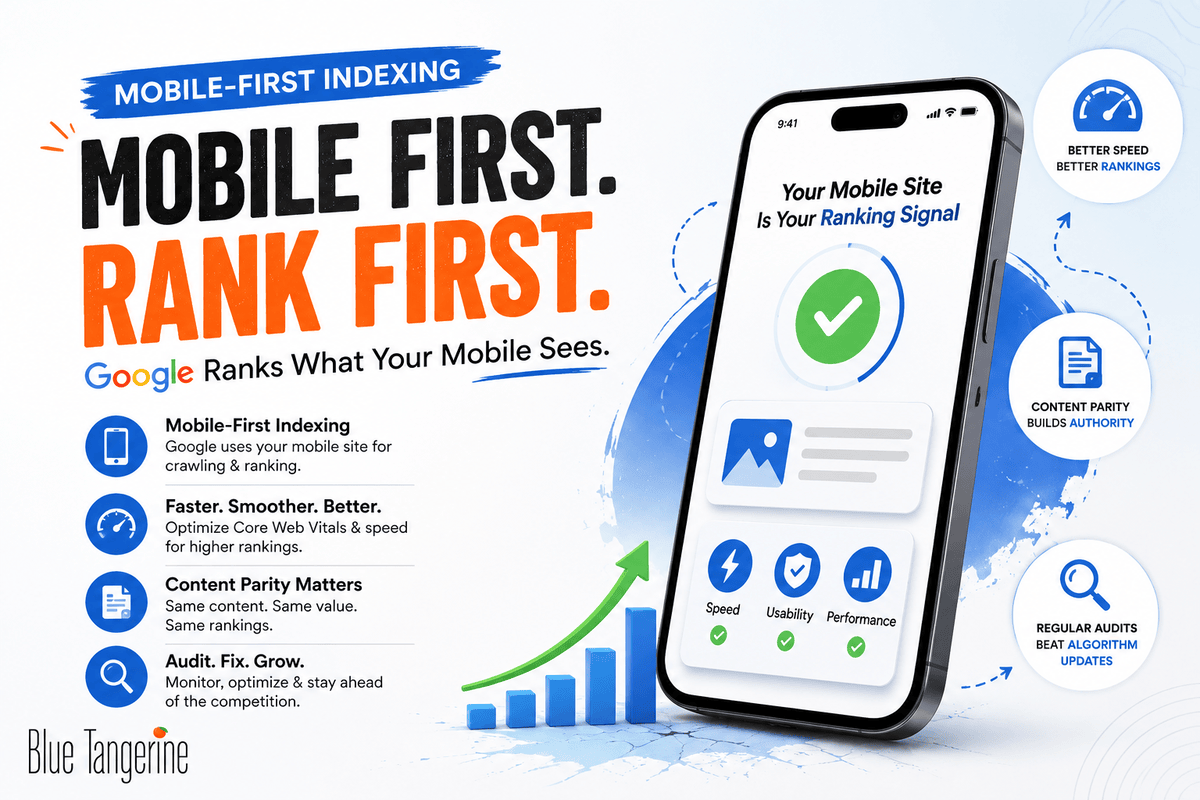
The second priority is mobile usability. In Dubai, many decisions happen on a phone. Fast load times, tap-to-call buttons, WhatsApp functionality, and simple forms matter more than design flourishes.
The third priority is response readiness. Good marketing can generate interest, but the clinic still needs a reliable process for handling enquiries quickly and professionally.
When websites, listings, and enquiry flows are aligned, digital marketing for health care becomes easier to scale because the patient feels guided rather than pushed.
Building authority with healthcare digital marketing
Healthcare digital marketing succeeds when it looks credible at every stage of the user journey. That means the clinic’s messaging should feel balanced, factual, and calm. Overpromising may attract clicks, but it weakens trust. In this category, credibility converts better than hype.
Authority is built through multiple signals working together. A complete Google Business Profile, updated service pages, real doctor information, clear privacy language, recent reviews, and informative articles all help patients feel that they are in the right place.
Content should answer the questions patients already have instead of trying to force a sale. That is especially important for high-consideration treatments where patients may compare several providers before booking.
The long-term value of healthcare digital marketing is that it compounds. Useful content can continue attracting search traffic. Reviews continue reducing risk. Improved local visibility keeps generating enquiries.
Paid media becomes more efficient because the website and brand already feel trustworthy. This is why digital marketing for health care should be approached as a long-term trust asset, not a short-term promotional push.
SEO for digital marketing for healthcare industry

For clinics that want sustainable growth, SEO remains one of the strongest channels within digital marketing for healthcare industry planning. It captures intent at the exact moment a patient is searching.
But in healthcare, good SEO is not about publishing random articles. It is about creating a focused content structure around services, questions, and local discovery.
Pillar sites for high-value services are the greatest place to start. These should be based on the words individuals use when they are about to book. Supporting information should answer questions about symptoms, treatment alternatives, recovery expectations, first consultation guidelines, and typical concerns on the pages around them.
There should be internal linkages between those sites that make sense so that both people and search engines can see how the informational material is related to the primary services.
This is also where Dubai-specific intent matters. Local residents often search for convenience and proximity. Medical tourists may search for credibility, process, and outcomes before traveling.
A well-built SEO structure serves both. When done properly, digital marketing for health care becomes less dependent on constant ad spend because search visibility keeps working in the background.
Strong local visibility in healthcare marketing dubai
Local intent is one of the highest-converting forms of traffic in healthcare marketing dubai. When someone searches for a clinic nearby or a specialist in Dubai, they are rarely browsing casually. They usually want action. That makes local SEO and map visibility critical to patient acquisition.
A clinic’s business profile should be complete, accurate, and actively managed. Core details such as address, contact number, service categories, operating hours, and imagery influence how trustworthy the clinic appears.
Reviews matter even more. People often use them to reduce perceived risk, especially when choosing quickly. A thoughtful response to a negative review can sometimes do more for trust than several positive ones because it shows professionalism under pressure.
Local visibility should also connect properly to the website. If the map listing is strong but the landing page is vague, the journey breaks. If the service page is strong but booking is clumsy, the user still drops off.
The strongest clinics align local listings, service pages, and conversion points so digital marketing for health care turns discovery into contact without unnecessary friction.
Content ideas for digital marketing for health and wellness
The content side of digital marketing for health and wellness works best when it is shaped by real patient concerns. Reception teams, WhatsApp enquiries, call logs, and consultation questions often reveal the best topics.
People want practical guidance. They want to know whether something is urgent, what to expect, how long recovery takes, whether a treatment is suitable, and when they should speak to a specialist.
This kind of content should feel reassuring rather than overproduced. A short article, a doctor-led video, or a concise myth-versus-fact explainer can all work well if the tone is calm and clear. The aim is not to overload the reader with technical language. It is to help them feel informed enough to take the next step.
Content also supports conversions indirectly. When a patient sees that a clinic consistently publishes helpful information, trust increases before contact ever happens. That is one of the reasons digital marketing for health care becomes more effective when content is treated as a trust-building tool rather than just a traffic tool.
Reputation and social proof for digital marketing for healthcare professionals
For specialists, surgeons, consultants, and clinic founders, digital marketing for healthcare professionals is closely tied to personal credibility. Many patients do not only choose the clinic.
They choose the doctor. That means profile quality matters. Professional bios, areas of expertise, qualifications, speaking engagements, media features, and educational content all help strengthen confidence.
Social platforms can support this when used with discipline. The goal is not constant promotion. It is consistent professionalism. A doctor who explains common concerns clearly, answers general questions responsibly, and maintains a calm presence online often becomes easier to trust.
Patients may discover the clinic through search, but they often validate that decision by checking social content, doctor pages, and review sentiment before contacting the clinic.
That is why reputation management should never be treated as separate from performance marketing. It is part of it. The stronger the personal and clinic-level trust signals are, the better digital marketing for health care performs across organic and paid channels
Top digital marketing tools used by health care companies.
Top digital marketing tools used by health care companies usually fall into a few clear categories. They use analytics platforms to understand traffic and conversion behavior, CRM systems to manage leads and follow-up, call tracking or WhatsApp click tracking to measure enquiry sources, SEO platforms to monitor visibility, and reputation tools to manage reviews and response workflows.
What matters is not the size of the toolkit, but whether the tools support decision-making. A clinic should be able to answer simple questions quickly. Which service pages bring in the most enquiries? Which campaigns generate booked appointments rather than just clicks? Which locations perform best on maps? Which content topics attract high-intent users? The right tools create that visibility without making reporting overly complex.
How to improve patient engagement through digital marketing
Patient engagement improves when communication feels useful, timely, and human. In practical terms, that means educational content must address real worries, response times must be fast, and follow-up should feel organized rather than robotic. Clinics that ignore these details often mistake traffic for interest, when in reality the patient simply did not feel confident enough to continue.
A better approach is to remove small barriers. Make service information easier to understand. Clarify what happens after an enquiry. Offer clear booking steps. Use short-form content to explain common questions.
Make mobile contact easy. Then make sure staff responses match the tone of the brand. Engagement is not only a content issue. It is a full journey issue. When patients feel informed and respected, digital marketing for health care delivers stronger conversion quality, not just more visibility.
Digital marketing for health care compliance and patient trust
Compliance is where many healthcare brands either strengthen trust or quietly damage it. Marketing should never sound careless in a sensitive category. Clinics need content that is factual, respectful, and aligned with local expectations around ethics and privacy.
Claims should be responsible, outcomes should not be exaggerated, and patient information should be handled carefully across every form, call, and messaging channel.
This is also where consent-first design matters. Enquiry forms should ask only for necessary information. Privacy notices should be easy to find. Ad copy should avoid sensational promises.
Landing pages should explain the service clearly instead of leaning on pressure. When all of this is aligned, digital marketing for health care becomes safer, more credible, and more sustainable.
Conclusion
Healthcare growth in Dubai does not come from being loud. It comes from being clear, credible, and easy to choose. Clinics that win online are the ones that understand patient intent, create useful content, build strong local visibility, protect trust through compliant communication, and make the booking journey feel simple.
When search visibility, service-page clarity, local proof, and enquiry handling work together, digital marketing for health care stops feeling like a monthly marketing task and starts working like a dependable growth system. That is the difference between just attracting traffic and actually turning searches into appointments.
Looking to scale your healthcare brand the right way? Reach out to Blue Tangerine and take the next step.
FAQs
-
What are 4 P's of healthcare marketing?
The 4 P’s of healthcare marketing are product, price, place, and promotion. In a healthcare setting, product refers to the services and overall patient experience, price refers to transparent expectations around cost and value, place covers accessibility including physical location and digital access, and promotion refers to how the clinic communicates with honesty and professionalism across channels.
-
Which tool is used in healthcare digital marketing?
There is no single tool that defines the whole strategy. Most clinics use a mix of analytics tools, CRM systems, SEO platforms, ad platforms, and review-management tools. The best toolset is the one that helps the team track visibility, enquiries, patient actions, and booking outcomes clearly.
-
Can the 7 QC tools be used in healthcare?
Yes, the 7 QC tools can be useful in healthcare settings because they help teams identify root causes, improve consistency, and reduce operational issues. In a clinic or hospital environment, that can support smoother patient journeys, better process control, and stronger service quality.
-
What are some digital health tools?
Common digital health tools include telemedicine platforms, patient portals, online booking systems, secure messaging systems, automated reminders, remote monitoring tools, and digital check-in solutions. These tools help improve convenience, continuity, and patient experience.
-
What are key performance indicators for healthcare digital campaigns?
Useful KPIs include organic traffic to service pages, map actions, phone-call volume, WhatsApp clicks, form submissions, booked appointments, cost per lead, cost per booked appointment, landing-page conversion rate, and review growth. The best KPI mix is the one that connects marketing activity directly to patient acquisition and quality of enquiry.
-
How to create compliant digital marketing content for health care?
Start with accuracy, balance, and patient safety. Avoid exaggerated promises, fear-based wording, and vague claims. Write content in a clear tone, explain services responsibly, use consent-led lead capture, protect patient data, and make sure every piece of communication supports trust rather than pressure.