Boosting restaurant reservations during Ramadan is a common challenge for UAE restaurant owners each year. The demand tends to peak around Iftar and later in the evening, rather than being evenly distributed throughout the day. In the UAE, diners are quick on their feet: they hop onto Google, glance through some photos and reviews, share their finds in a WhatsApp group, and then choose the spot that seems the simplest and most trustworthy.
That’s why Ramadan growth isn’t about posting more. It’s about building a smooth “reservation journey” across the channels people actually use in the UAE: SEO, Google Maps, Meta ads, and WhatsApp bookings, supported by strong booking platforms and a website that converts quickly on mobile. When these pieces are connected, reservations rise even if your ad spend stays modest, because fewer customers drop off between interest and confirmation.
In this guide, we’ll break down what works right now for UAE restaurants, without sounding like a template, so you can turn Ramadan traffic into confirmed bookings and repeat guests.
Why Ramadan reservations behave differently in the UAE
In Ramadan, dining is more intentional. Families plan ahead, groups coordinate, and timing matters more than any other month. The UAE adds another layer: people compare options quickly, and convenience (location, parking, table availability, booking confirmation) can win over “nice-to-have” details. If your online presence makes customers unsure about timing, menu, or whether they’ll actually get a table, you’ll lose bookings to a competitor that simply removes friction.
So when you’re thinking about how to increase restaurant reservations in ramadan, don’t start with ads. Start with clarity. Your customer should instantly understand three things: what you offer for Ramadan, when they can book (Iftar and/or Suhoor time slots), and how to reserve in one or two taps.
The restaurants that fill up consistently usually do one thing extremely well: they make booking feel effortless. Everything else, content, ads, influencers, works better after that foundation is fixed.
What are the best digital marketing strategies to increase iftar table bookings in UAE restaurants?
If you want a strategy that actually matches UAE diner behavior, build it around high-intent discovery and fast conversion. People usually find you in one of two ways: they search (Google/Maps) or they get influenced (Meta platforms). Then they decide using proof (reviews, photos, menu clarity). Then they book (platform, website, or WhatsApp).
The strongest results come when all four stages connect. Your Instagram ad should not send someone to a slow homepage with no booking button. Your Google Maps listing should not show outdated Ramadan hours. Your website shouldn’t hide the Iftar menu behind PDFs that don’t open properly on mobile. Ramadan is short, so small issues get expensive fast.
Blue Tangerine typically builds this type of conversion-first path using a mix of SEO, paid media, and landing-page optimisation (you can align this with their SEO Services and Digital Marketing Services pages on the Blue Tangerine website). When the journey is consistent, every channel becomes a reservation engine instead of a “visibility activity.”
How can I optimize my restaurant’s Google My Business profile for Ramadan reservations?
Google Maps is often the final decision step in the UAE. Even when someone discovers you on Instagram, they usually check your Maps listing before they commit, especially for Iftar with family or a group. That makes your Google Business Profile your Ramadan storefront.
The most important update is accuracy. Ramadan hours must be correct, and your listing should clearly communicate whether you’re serving Iftar, Suhoor, or both. Photos matter too, but not just any photos, Ramadan dining decisions are emotional, so show the night vibe: lit seating, real dishes, real tables, and a sense of atmosphere. If you’re family-friendly, show family seating. If you’re more premium, show the experience.
Also, make sure the “Reserve” action is obvious. If you have a booking link, use it. If you rely on WhatsApp, make that visible and responsive. And if you’re running promotions, avoid vague “special Ramadan offer” wording—UAE diners respond better to specific values: time slots, set menu price, or a simple highlight like “family Iftar tables available daily.”
When you clean this up, how to increase restaurant reservations in ramadan gets easier because you’re capturing people who already want to book.
Optimizing restaurant website for Ramadan booking conversions
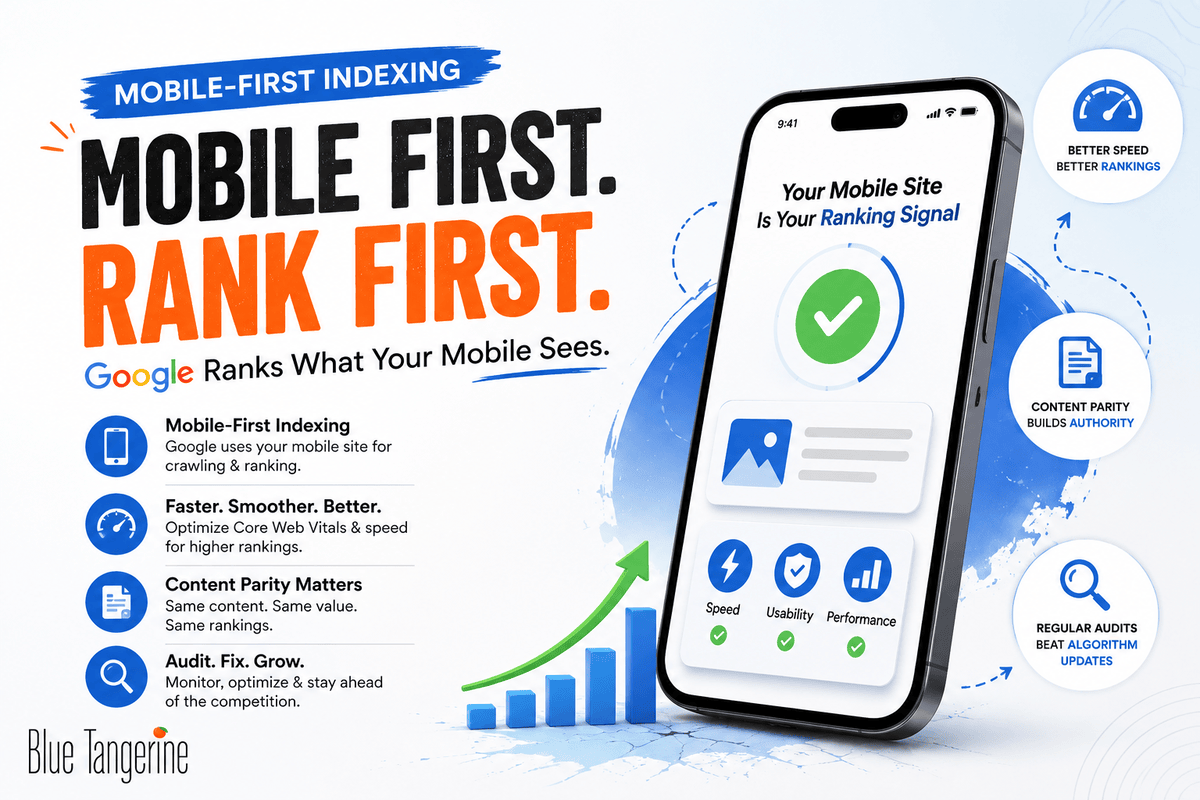
Your website is where interest becomes confirmation, or disappears. Ramadan website traffic is heavily mobile, and mobile users are impatient. If they can’t see the Ramadan offer and booking option quickly, they’ll back out and choose another restaurant.
The best-performing Ramadan landing pages in the UAE are simple and reassuring. They don’t try to be artistic; they try to remove questions. The page should read like you’re helping someone decide in a rush: what’s the Iftar experience, what’s included, what time can they reserve, how long is seating, and what’s the fastest way to confirm.
If you’re making only one page this Ramadan, make this one: a “Ramadan Reservations” page with a booking widget, Iftar and Suhoor timings, pricing clarity, and a short section explaining group bookings. Then link everything to that page, your Instagram bio, your Stories, your Meta ads, your Google Maps listing.
Here are the only four bullet points in this entire blog (and they’re genuinely worth it). Your Ramadan page must include:
-
- A visible Reserve Now button above the fold on mobile
-
- Clear Ramadan timing (Iftar/Suhoor windows) and whether seating is timed
-
- Menu highlights with price clarity (avoid “DM for details”)
-
- A secondary option for WhatsApp bookings for groups
That’s it. Keep the rest as clean paragraphs and strong visuals. If you want a more technical improvement plan, Blue Tangerine’s Technical SEO service approach aligns well with speeding up pages and improving mobile performance, both critical for Ramadan conversions.
At this stage, how to increase restaurant reservations in ramadan is often a website problem disguised as a marketing problem.
How can I boost my restaurant’s Ramadan reservations using online booking platforms?
Online booking platforms in the UAE help because they shorten the trust-building process. Many diners feel safer booking through a platform that confirms instantly, especially for Iftar when timing is sensitive. Others book through a platform simply because someone shared the link in a group chat and it was the quickest way to lock in a table.
The key is to treat booking platforms as extensions of your brand, not a side listing. Your photos, menu description, and timing should match your website and Google listing. If your platform says you’re open for Suhoor but your Maps listing suggests otherwise, customers hesitate. And hesitation kills Ramadan bookings.
For peak Iftar hours, your reservation settings matter. If you can apply smart rules, like seating times, deposit policies for large groups, or confirmation reminders, you’ll reduce no-shows and protect your service quality. This is exactly why reservation operations and marketing can’t be separated in Ramadan.
When platforms are optimised, how to increase restaurant reservations in ramadan becomes scalable because your conversions don’t depend on staff manually responding to every inquiry.
How do targeted social media ad platforms help increase iftar reservations?
In the UAE, Meta ads work extremely well in Ramadan when you stop treating them like “branding” and start treating them like “reservation drivers.” Your best-performing ads won’t be complicated. They’ll show the real experience, set the expectation clearly, and send people to a fast booking step.
What really works is intent stacking. Start by running short video content that shows the vibe and the food. Then retarget viewers who are engaged and send them to the Ramadan reservation page or click-to-WhatsApp. This prevents you from wasting budget on cold audiences who are just scrolling.
Your messaging should feel human and time-aware. Ramadan diners respond to certainty: “Iftar seating available today,” “family tables,” “group bookings,” “easy parking,” “instant confirmation.” Your creative doesn’t have to be over-designed; in fact, overly graphic posters often perform worse than simple clips that look real.
If you’re building campaigns professionally, Blue Tangerine’s Pay Per Click service model is the kind of structure you’d want, because the goal is not “reach,” it’s bookings, and bookings need tracking.
At this point, how to increase restaurant reservations in ramadan becomes a predictable loop: content → retargeting → booking page → confirmation.
What are effective SMS marketing services to increase Ramadan restaurant reservations?
SMS is not a “main channel” for Ramadan growth in the UAE, but it’s incredibly powerful for filling gaps, especially weekdays, late-night seating, and last-minute openings caused by cancellations. Think of SMS as your quiet closer, not your loud billboard.
The biggest mistake restaurants make is sending generic blasts. The messages that work are short, specific, and helpful. They feel like a timely update rather than an ad. If you have customer data, segment it, families, frequent diners, corporate contacts, dessert/late-night crowd, and send relevant timing. For example, a Suhoor-focused customer shouldn’t receive an early Iftar-only message. When SMS is targeted properly, it drives immediate clicks and confirmations.
Also, keep your SMS booking path simple. If you’re using WhatsApp as the final confirmation channel, link directly to WhatsApp with a pre-filled message. If you’re using a booking platform, link straight to the reservation page, not your homepage.
Used this way, SMS supports how to increase restaurant reservations in ramadan by turning “empty tables tonight” into “fully booked by 7pm.”
How to use email marketing tools to increase Ramadan dining reservations?
Email is where you build repeat bookings across the month. In the UAE, many diners plan weekends early. Email marketing works well for Friday and Saturday Iftar planning, corporate bookings, and “special night” announcements. It’s also the best channel for telling a richer story: why your Ramadan experience is different, what’s included, and how groups can reserve smoothly.
The emails that convert are not long newsletters. They’re clean, visual, and direct. One strong hero image, a short paragraph describing the experience, the timings, and a clear booking button. If you can, include social proof, one strong review excerpt or a simple rating summary, because Ramadan bookings are often shared and discussed within families.
Email also gives you a “second chance” at people who clicked but didn’t book. Even one reminder email can recover reservations that would’ve been lost.
If you’re aiming for long-term growth beyond Ramadan, this retention layer is where increasing restaurant reservations in ramadan turns into a year-round advantage.
What are the top customer review platforms that can increase restaurant bookings in Ramadan?
Reviews are the final persuasion step. In Ramadan, customers are bringing parents, kids, visiting friends, or colleagues, so they want reliability. They want to know the place is consistent and the experience matches the photos.
Your goal is not to chase reviews everywhere, it’s to maintain strength where UAE diners check first. For most restaurants, that’s Google reviews and highly visible listing platforms. The operational tactic is simple: ask at the right moment. Not at the door, not while they’re eating. Ask when they’re satisfied, after dessert, when the table mood is relaxed. Then respond to reviews quickly, and respond like a human.
Mention the dish they enjoyed, invite them back for Suhoor, or thank them for booking as a family.
Strong reviews reduce hesitation, and reduced hesitation directly improves how to increase restaurant reservations in ramadan because people book faster and argue less in group chats.
Where can I find reservation management software tailored for Ramadan peak hours?
Ramadan peak hours are not forgiving. If your reservation management is messy, your online marketing will create pressure you can’t handle, and that backfires through bad reviews and cancellations. A good reservation system should help you manage seating waves, reduce no-shows, and handle group bookings properly.
Instead of searching for “Ramadan software,” look for features that match Ramadan reality: table pacing, deposits for large groups (if needed), automated confirmations and reminders, and quick edits when timings shift. Even if you keep WhatsApp for group coordination, the actual reservation logic should be consistent and trackable.
This is the behind-the-scenes layer of how to increase restaurant reservations in ramadan that many restaurants ignore, until they get overwhelmed.
Conclusion: A Ramadan reservation plan that actually feels natural
To win Ramadan in the UAE, don’t try to do everything. Make your booking journey clean, fast, and consistent. When your Google Maps listing is accurate, your Ramadan landing page converts, your Meta ads retarget warm audiences, and your WhatsApp confirmations feel premium, customers stop hesitating, and your tables fill up.
If you want Blue Tangerine to build this end-to-end system (SEO + Google Maps visibility + Meta ads + conversion-focused landing pages), it’s the kind of work that doesn’t just boost one month, it strengthens your brand’s booking engine long after Ramadan. Explore Blue Tangerine’s Digital Marketing Services and SEO Services, and let’s turn Ramadan demand into predictable reservations and repeat guests.
FAQ
What are some great digital marketing strategies to boost iftar table bookings in UAE restaurants?
First, work on local SEO and being found on Google Maps. Then, utilise Meta advertising to persuade people to come back and WhatsApp to confirm quickly, particularly for groups. Make sure that everything goes on one page for Ramadan reservations.
How can I optimize my restaurant’s Google My Business profile for Ramadan reservations?
Update Ramadan hours, add your reservation link, upload fresh night-time photos, post weekly updates, and ensure your contact/WhatsApp path is fast and responsive.
How can I boost my restaurant’s Ramadan reservations using online booking platforms?
Be sure that the information on your platform aligns with what’s on your website and Maps. Make sure your menus and photos are up to date, and establish reasonable reservation guidelines for Iftar peak times to help reduce no-shows.
What are effective SMS marketing services to increase Ramadan restaurant reservations?
Send SMS messages to get real-time availability information and to easily connect to your booking website or WhatsApp. Instead of giving everyone the same message every day, try segmenting your audience to customise your approach.
How can targeted social media ad platforms boost iftar reservations?
You can reach people who are dining nearby and those who have clicked on your ad or showed interest previously. Utilising Meta advertising, you can simply get direct reservations by utilising a rapid booking page or the click-to-WhatsApp tool.